
Beyond “Christian genocide”: The real roots of criminal violence in Nigeria
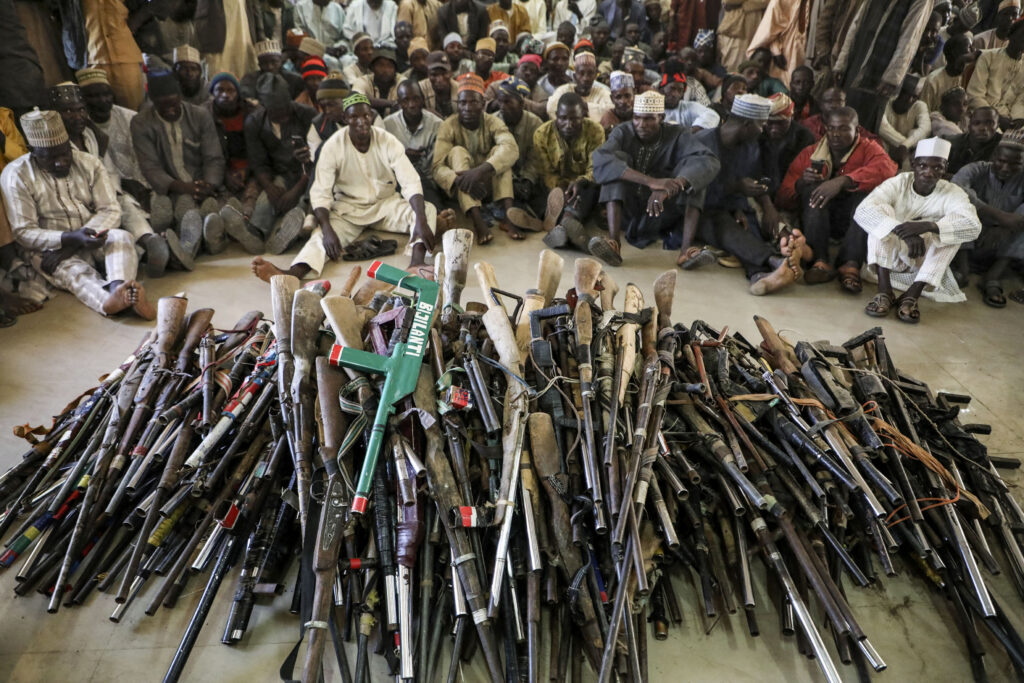
“The only real way to reduce kidnapping in the long term is to improve economic conditions, reduce unemployment, and curb inflation.” Nigeria is experiencing one
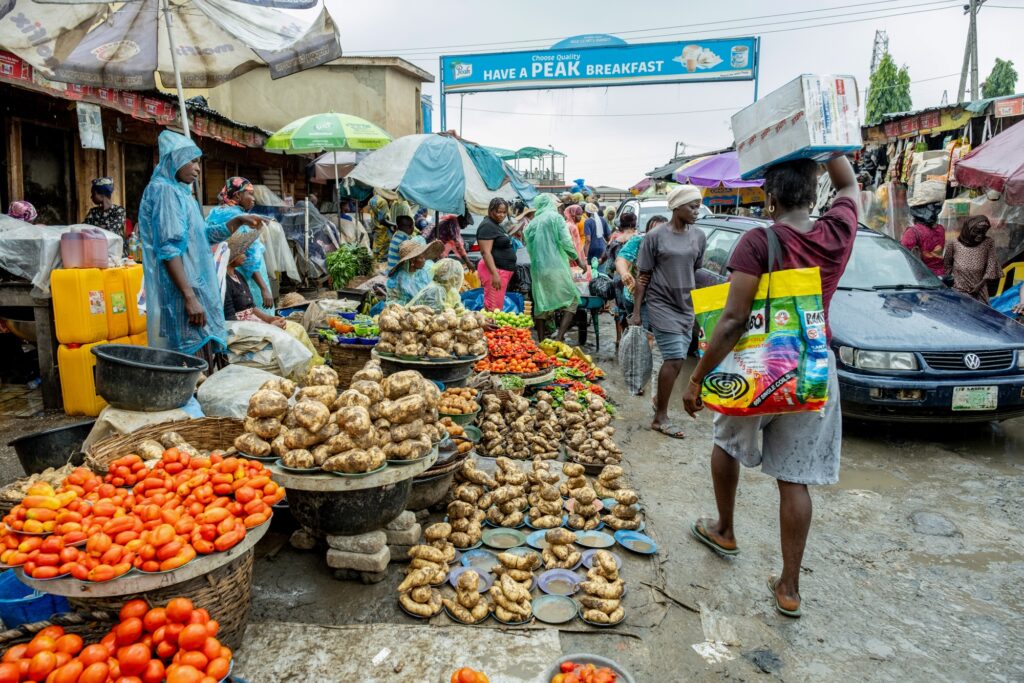
‘Barely surviving’: Life in Nigeria’s cost-of-living crisis
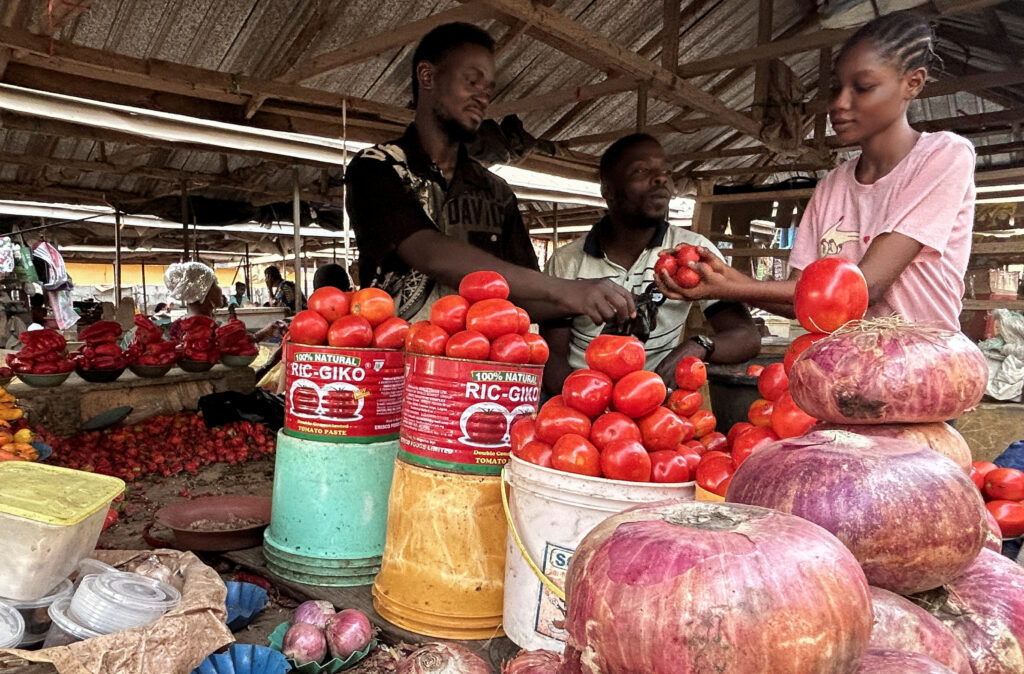
Nigerians face soaring food prices after subsidy cuts amid record inflation. President Bola Tinubu says reforms will pay off — but daily life is getting
Report looks at the impact of IPOB’s “sit at home” protests in southeast Nigeria, IPOB responds
SBM Intelligence, a Nigerian think tank, has today published a detailed study of the economic impact of the “sit at home” protests in southeast Nigeria
Rising food prices deepen Nigeria’s poverty crisis
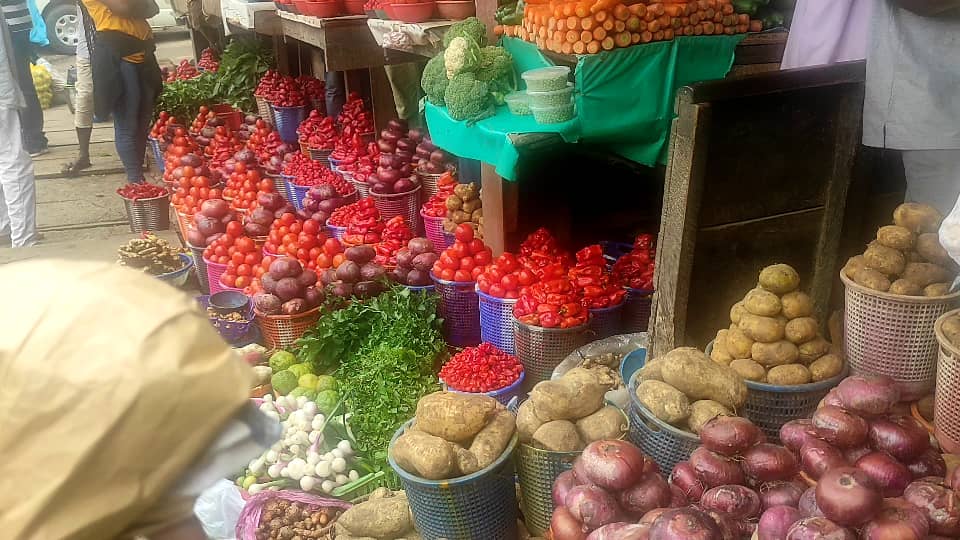
Authorities should strengthen social security Several West African countries, including Nigeria, Ghana, Senegal, and Gambia, proudly compete over who makes the best “jollof rice,” rice
Hardship protests met with tear gas on Independence Day in Nigeria

Nigerians took to the streets on Tuesday to protest widespread economic hardship, coinciding with the West African country’s 64th independence anniversary. It was the second protest
Rampaging bandits in Nigeria’s capital force residents to sleep with one eye open

Rising rates of kidnapping in Nigeria’s once safe capital show the growing strength of organised crime in the country, writes Uche Igwe. Abuja, Nigeria’s capital
Nigeria kidnappings: Who’s behind them and what do they want

Nigeria is one of the world’s kidnapping hot spots. DW explains who carries out the abductions and who the victims are. Kidnapping in Nigeria has evolved into
Nigerian workers’ wages diminish as inflation rises and govt revenue dips
Nigerian public sector workers say they earn slightly more than they did years ago, but can afford far fewer things than before. When Yusuf Mogaji