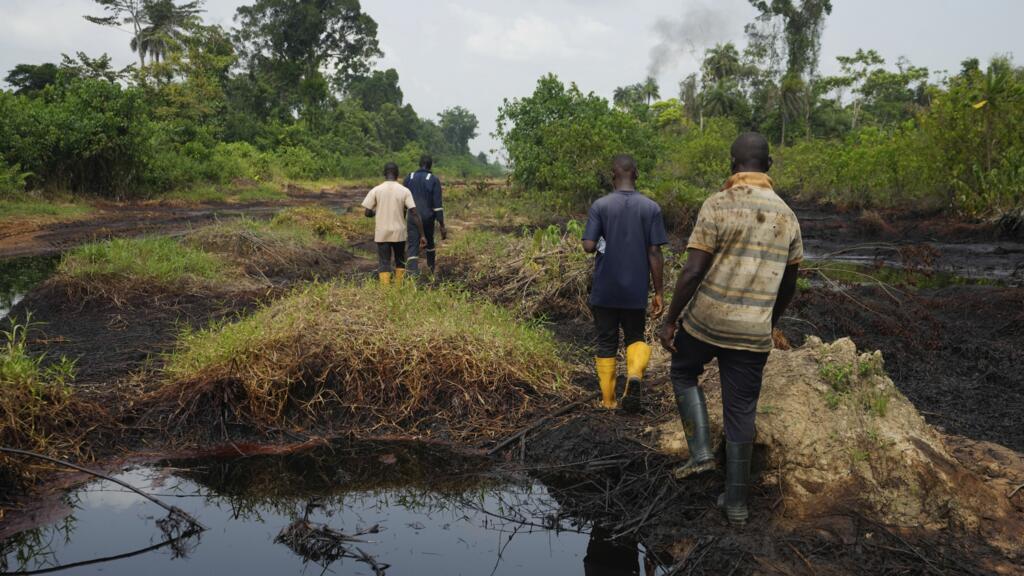
Oil giants stand accused of walking away from decades of pollution in Nigeria’s Niger Delta without cleaning up the damage. A UN-appointed panel of experts wrote to Shell, Eni, ExxonMobil and TotalEnergies, warning the companies cannot sell off their assets and dodge their responsibilities to local communities.
The letters, sent on Sunday and published on a UN website, said the companies must provide remedies for people harmed by their operations under the UN Guiding Principles on Business and Human Rights.
The panel also said firms are obliged to use their influence to prevent abuses in their dealings with others.
Governments, the experts added, have a duty under international law to make sure companies meet these responsibilities – known as the “duty to regulate”.
Support for indigenous communities
For campaigners in the Niger Delta, the UN’s intervention is a major boost.
“It gives me so much joy that an organisation like the UN has added their voice to this campaign. I’m glad,” said Celestine Akpobari, an Ogoni-born activist who coordinates the Ogoni Solidarity Forum and leads the Miideekor Environmental Development Initiative-MEDI.
He told RFI: “The statement is out there, that is what is important. I’m excited that they have come out to support the plights of community people and organisations that are crying for justice like the Ogoni and the Niger Delta people.”

Campaign groups say the letters may strengthen ongoing lawsuits against the oil firms.
According to the Polluter Pays project, the letters are important for both legal and moral reasons, especially as they could support existing cases against international oil companies.
“Human rights obligations may be used to interpret duties of negligence and nuisance in cases currently before the English High Court,” said Sophie Marjanac, environmental lawyer and director of legal strategy at Polluter Pays.
She pointed to cases involving the Billie and Ogale communities Nigeria and the Bodo community in India.
“The United Nations Working Group on Business and Human Rights is probably the only international body that really has the mechanism to provide some accountability to companies under their guiding principles,” Marjanac told RFI.
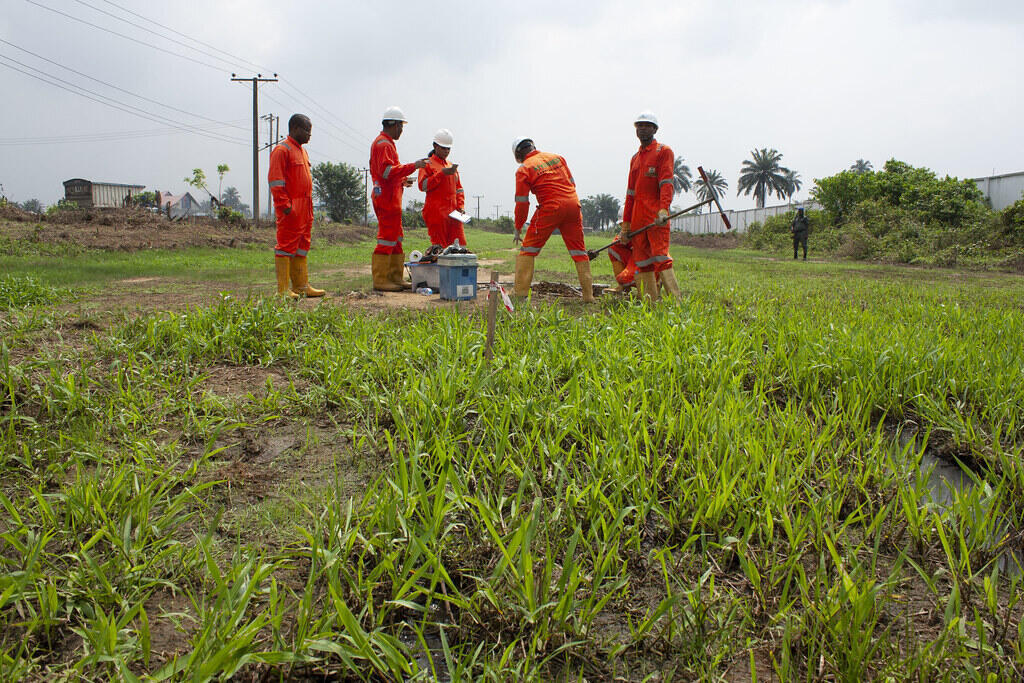
He said fishing and farming – the backbone of family incomes – are no longer possible. He added that daily life has been disrupted, with students dropping out of school and crime rising as hunger and poverty deepen.
Communities in the Niger Delta and beyond now hope UN pressure will force both the oil companies and the Nigerian government to take responsibility.
Shell was ordered in 2021 to compensate Nigerian farmers for contaminated land and water after an appeals court in The Hague found its Nigerian subsidiary, SPDC, liable for multiple pipeline leaks.
On Tuesday, however, TotalEnergies signed a new deal with South Atlantic Petroleum in Nigeria – the first foreign oil contract in years – aimed at reviving the industry and attracting investment.
Court cases are expected to continue until at least 2027, with one major trial due in London in November 2025.
By Melissa Chemam. This report first appeared on RFI Africa.