Vigilante violence is so prevalent in Nigeria that suspicion of petty theft can get people killed. Experts say Nigeria must reform its justice and police systems to deter it.
Readers may find parts of this report disturbing.
A stolen phone, a whispered accusation, and slowly, a crowd gathers. In minutes, the charges are read out to the suspect and “justice” is administered — not in a courtroom, but on the street.
Mob justice, often called “jungle justice” in Nigeria, is the act of a crowd taking the law into their own hands by punishing suspected criminals without giving them the right to defend themselves via judicial procedures.
Over the past decade, such violence in Nigeria has surged, fuelled by distrust in law enforcement, economic hardship, and the rapid spread of misinformation.
“It’s [mob justice] been a long time with us,” said Frank Tietie, a Nigerian legal expert and Executive Director of Citizens for Social Economic Rights in Abuja.
“Where law enforcement agents are seen to be restricted only to capital cities or the various states or in the nation’s capital, people tend to have a sense that the government is far away and they can do whatever they like,” he said.
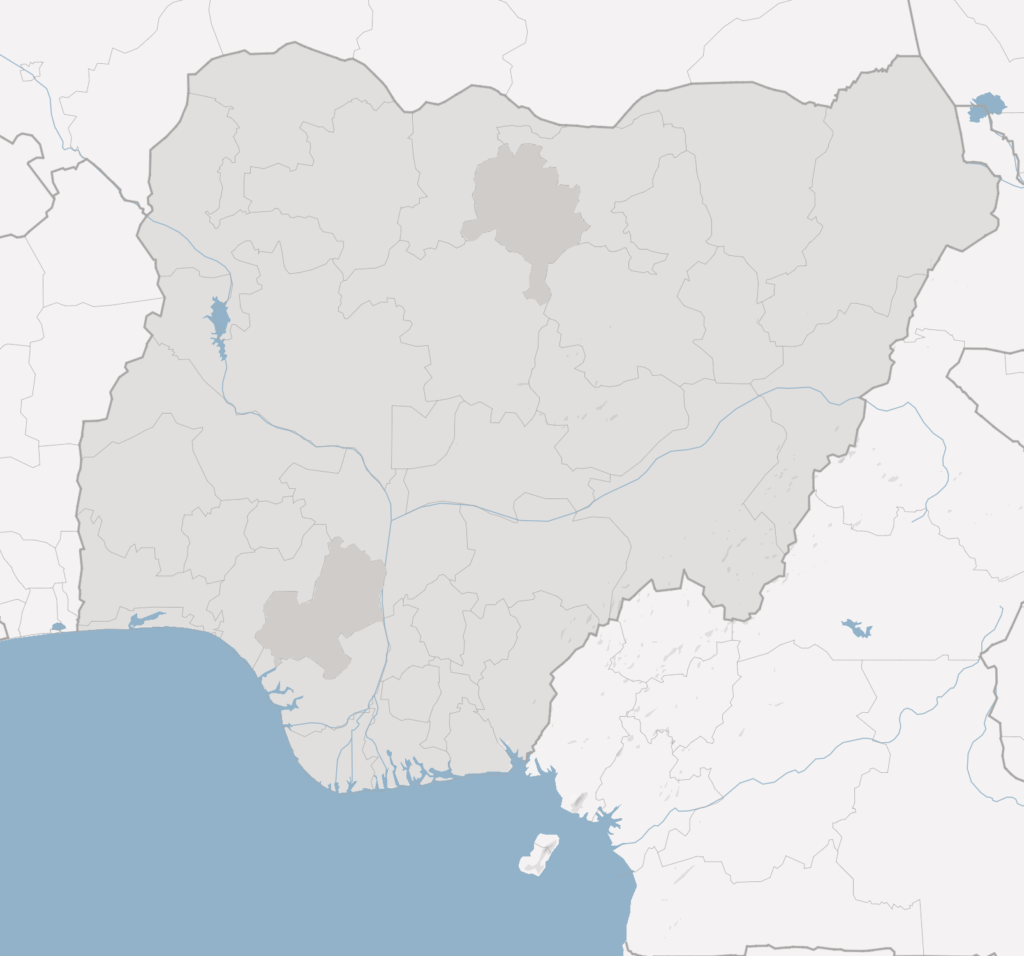
Recently, 16 hunters traveling from Port Harcourt to Kano were lynched in Edo State on mere suspicion of being bandits and kidnappers.
According to local reports, the victims were traveling back to their home in Kano after attending Muslim Eid al-Adha celebrations when local vigilantes stopped the vehicle they were in.
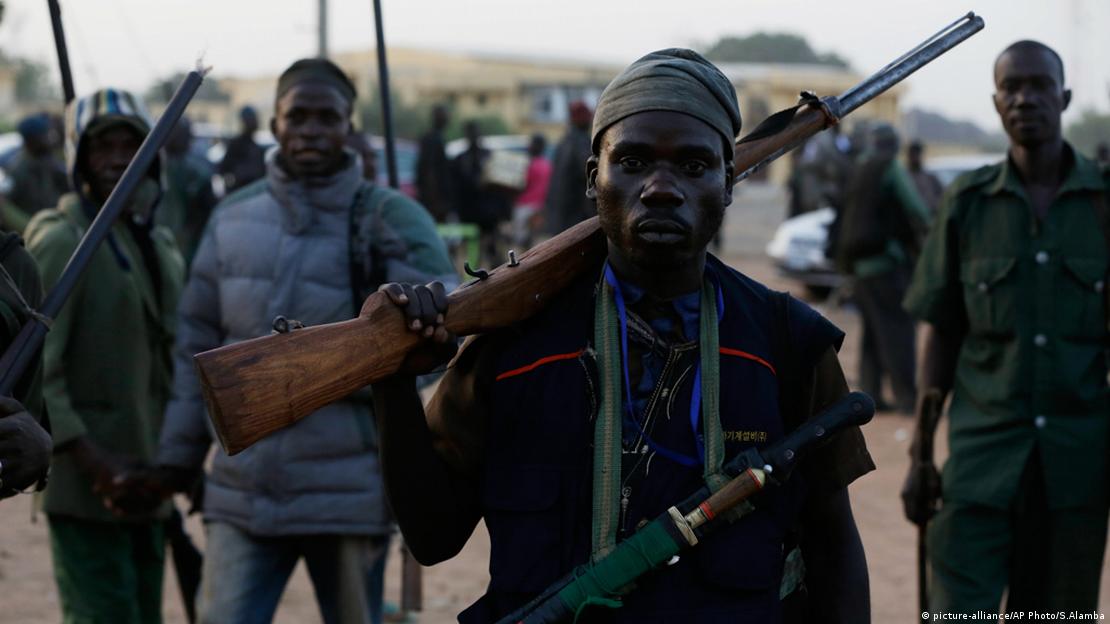
Upon searching, the vigilante members found homemade Dane guns used by the hunters. The discovery quickly attracted a crowd who concluded the travellers were criminals and burned them alive.
Their gruesome deaths have reignited debates on lawlessness, justice, and the failure of policing in Africa’s most populous nation.
President Bola Tinubu and human rights groups condemned the incident, and Tinubu vowed to pursue those who perpetrated the act and bring them to justice.
Apart from petty theft, such as pickpocketing, stealing mobile phones, bicycles, or motorcycles, suspicions of witchcraft or child theft can lead to mob justice.
However, cases of false accusations, mainly driven by personal vendettas, such as business competition, have also been documented by Amnesty International.
As Nigeria is a deeply religious country with dozens of ethnic communities, tensions can easily trigger mob actions, particularly during periods of unrest or crisis.
“There are instances even in police stations the case will reach there, and you find people round the police station, they want to get the culprit out and set him ablaze,” Ben Shemang, DW correspondent in Abuja, said.
Over the past decade, Amnesty International has documented at least 555 victims of mob violence in Nigeria.
How Nigeria can curb ‘jungle justice’
To reverse the trend and end the vice, experts say the Nigerian government needs to intervene by increasing public awareness campaigns against mob violence.
There is also an urgent need for police reforms and human rights training.
“We should put more pressure on the national assembly to decentralise the police system,” Frank Tietie said, adding that the federal-controlled police have become incompetent and corrupt.
“The hope is that when we have a decentralised police system, where various states and local governments can organize proper police for us, then we may have less issues of jungle justice and extra judicial killings as we had in Edo State,” he said.
Additionally, there needs to be increased advocacy for justice reforms and promotion of peaceful conflict resolution, and most importantly, local communities and security agencies must emphasize collaboration to build mutual trust and responsiveness.